My Favorite Localization Tools & Resources for Translators

So I’ve been in game localization for about two years now, and I thought I’d share with you some of the most helpful tools and resources I’ve come across so far. I primarily translate video games, but I think these resources are relevant for many types of translation work.
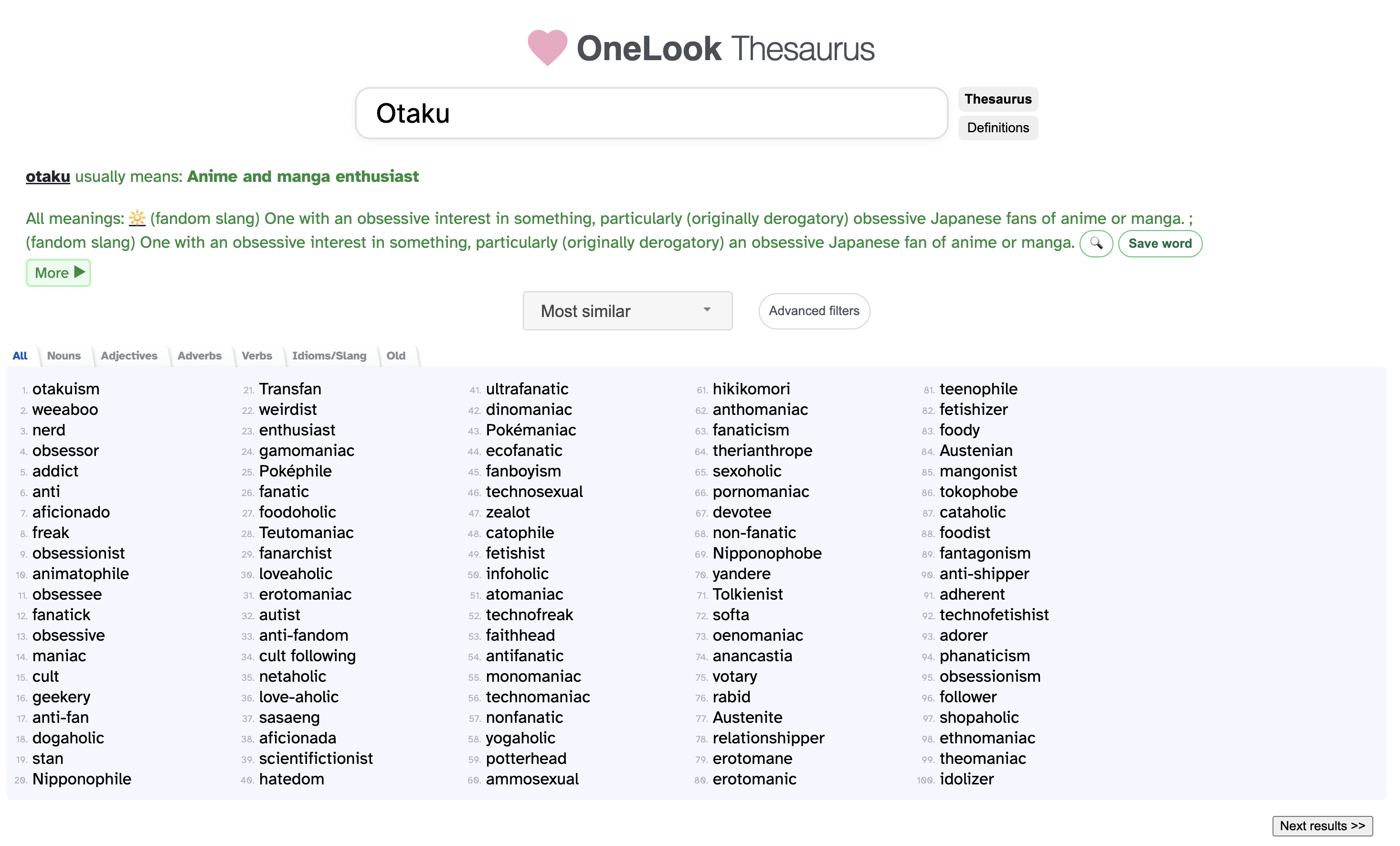
Onelook Thesaurus & Reverse Dictionary
This website not only gives you a definition, but it also gives you related concepts and words, sorted by part of speech. It’s really useful when there’s an exact word you want to use but can’t remember it, or when you’re searching for adjacent terms and concepts.
DeepL
A great, and many times better, alternative to Google Translate or other free machine translation options. DeepL really shines with longer chunks of text and seems to have a greater contextual awareness compared with Google, Bing, etc.
DeepL also offers an API you can plugin to a CAT platform to replace the default machine translation offering.
Practical Typography
Dash? Emdash? Endash?
Straight or curly quotes?
Parenthesis, brackets, and braces?
Practical Typography is a comprehensive resource for questions about formatting, punctuation, fonts, or page layouts. I learn something new every time I visit this site.
Linguee
A dictionary that also provides real examples from translated works. A great resource if you’re second guessing a word’s usage in certain contexts.
Xbench
One of the best localization quality assurance programs out there. It finds issues that QA tools on many CAT platforms can’t detect. You can generate QA reports to give clients and even use Xbench to catch character encoding issues, typos in code, etc. Some devs I worked with liked this tool so much, they adopted it for their own software debugging purposes.
The free trial supposedly has a time limit, but it has never prompted me to pay (yet). I may just by a license anyways because this program is really that helpful.
Memsource
I think Memsource is the best CAT platform as of 2016. It’s much easier to use than Trados and offers better cross-platform support via web browser, MacOS, and Windows versions. The QA tool is increasingly robust and is a great complement to Xbench.
Its pricing structure allows for even freelance translators to enjoy the bulk of its functionality for around $30 a month. (I think you can only purchase in 3 month chunks though.)
Wikipedia
Wikipedia is an overlooked resource for translation, transcreation, and general creativity. I remember one time our team had a problem naming an “evil empire” in a medieval-themed strategy game. At a loss of ideas, I suggested that we look up some battleship names because “Dreadnaught” came to mind and I thought maybe we could find similar badass names. We did.
Google Ngram
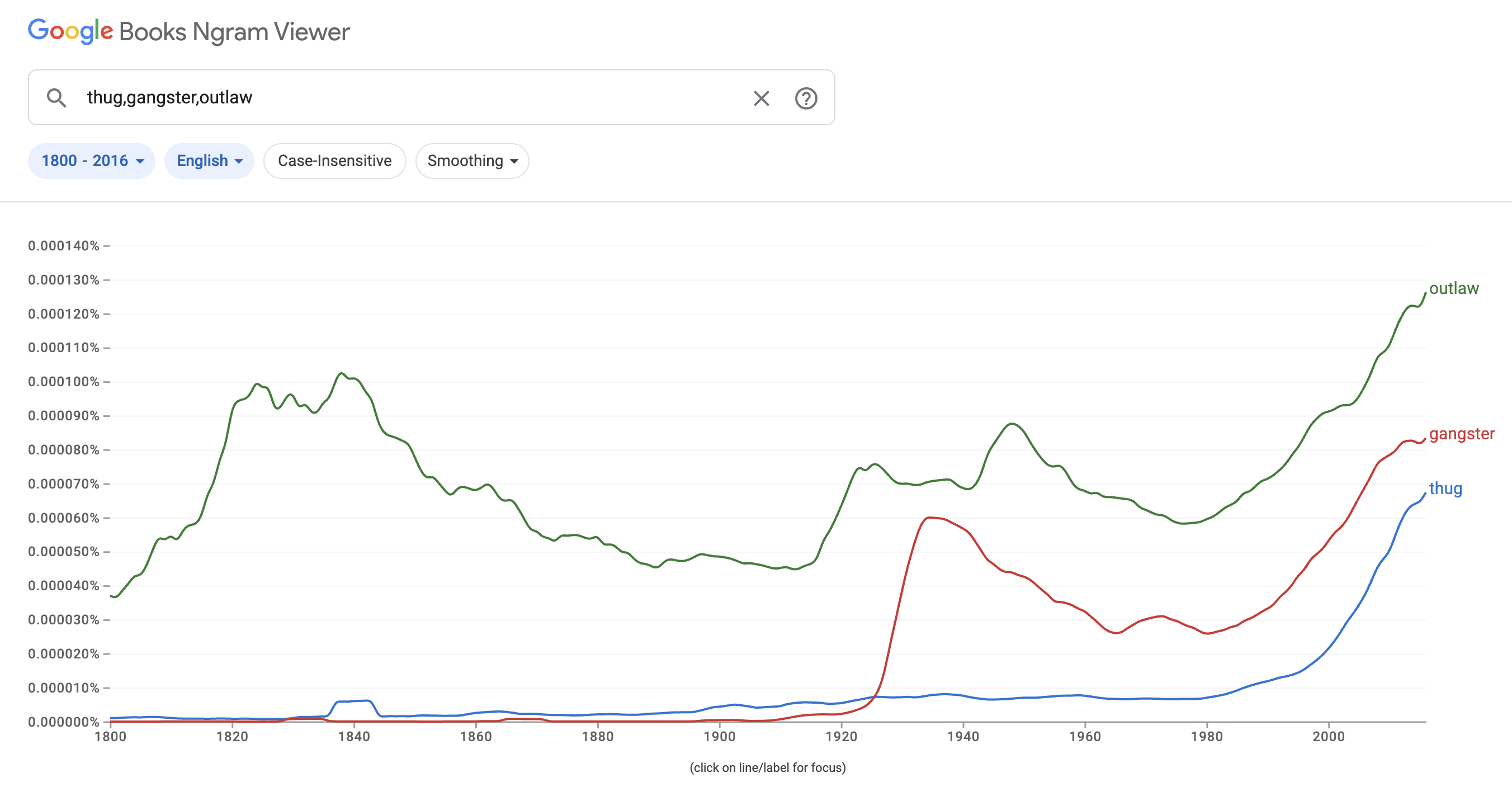
Not sure if a word in your translation is appropriate given the historical context? Google Ngram can search books from 1800 and onwards (in multiple languages) to help estimate when a word became popular or at what points in history it was used.
Let’s say you’re translating an RPG set in the “wild west” of the United States. A dialog between characters is obviously talking about criminals, but what word is most appropriate for that time period? Google Ngram has some hints. Gangster doesn’t really enter the mainstream lexicon until after the 1920’s, so we won’t use that. Thug also doesn’t start taking off until later in the twentieth century. Outlaw seems like a safer word to use in this context.
ProZ
One of the OGs of the localization industry. Don’t know what to charge? Go see what other translators across the industry are getting paid. Want to take some courses? Attend seminars? ProZ has it.
Translation Toolkit
This is more for localization engineering and project preparation, but it has to be mentioned here. This toolkit comes with tons of “apps” that do one or two things only, but it’s extremely helpful.
The toolkit can: extract text from strings, convert between a lot of translation and localization formats, extra terminology, etc.
Being a relatively new translator, there are many tools in this kit that I still need to explore, but it has already saved me tons of time and effort just with its file conversion tools.