Going too Far with Localization
I was recently helping out with LiveOps and managing a Discord server for a Japanese IP when I witness a few complaints that made me stop and think.
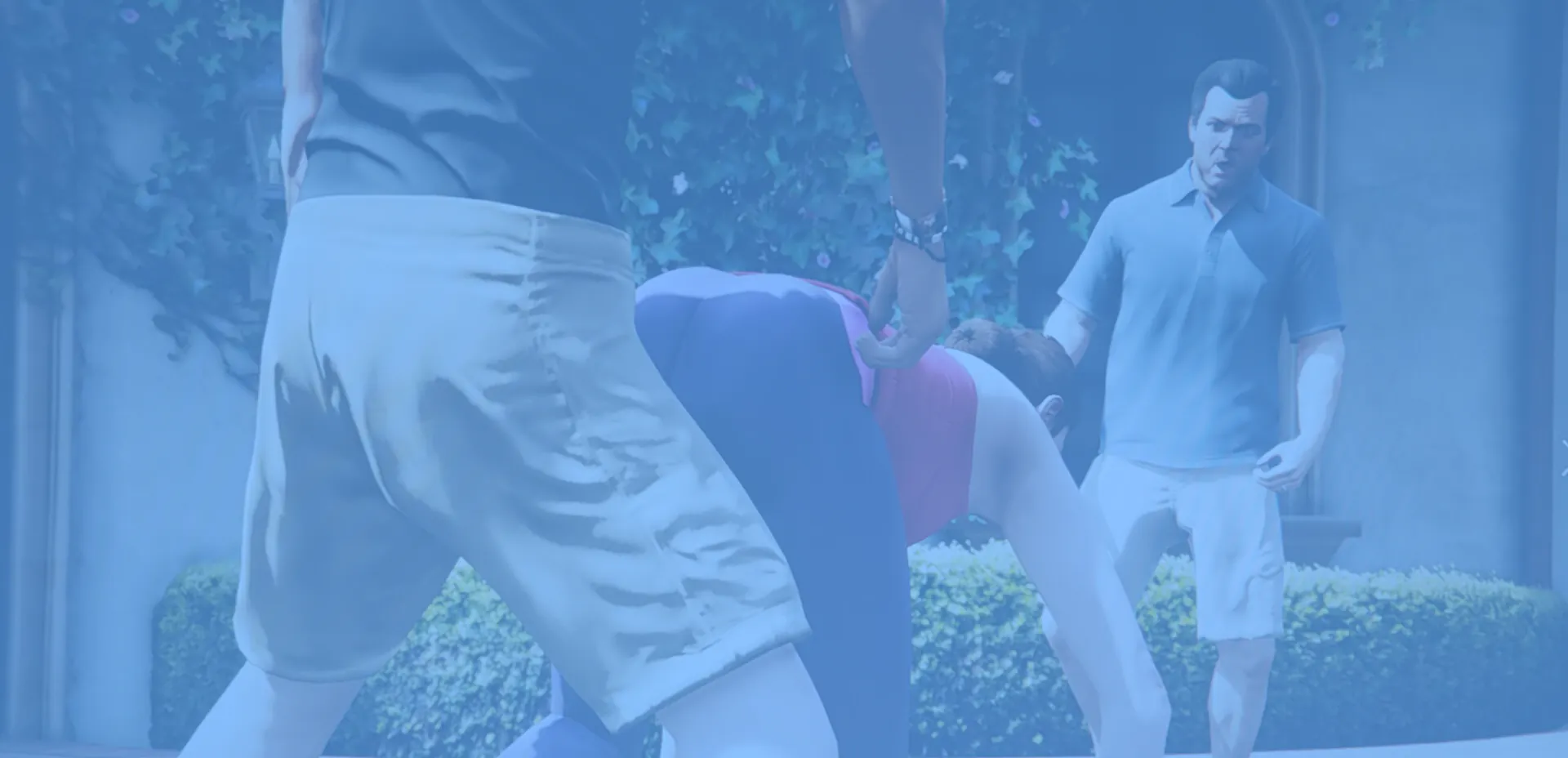
The players weren’t complaining about mistranslations, clunky dialogue, or truncated text. No. Their criticisms were almost the opposite: The game had been “localized” too much. Things were too polished and safe. Content had been re-designed or quietly removed to make the game less “risky” or controversial. But the players noticed.
So I began to think about what it really means to localize a video game. People in this industry tend to spend a lot of time discussing how to properly adapt content for a target market. And strictly speaking, properly adapting a product or brand for a new market is crucial. However, in the context of gaming in general and Japanese IP in particular, too much adaptation can actually appear to be diluting, distorting, or disrespecting the IP’s original spirit and candor.
What Over-localization Looks Like
Over-localization can take a variety of forms, and they’re not all equally controversial.
The most obvious form of over-localization is visual censorship. Character outfits and designs are made less revealing to be less problematic by Western standards. Fire Emblem Fates is one of the most documented examples of this form of “censorship”. Beyond outfit design changes, entire scenes were altered or removed, including a storyline involving a character named Soleil. Nintendo’s localization team (or the one they outsourced the work to) also removed the “skinship” mini game for western audiences. Players who had knowledge or direct experience of the Japanese version noticed it.
Tokyo Mirage Sessions #FE Encore did something similar. The Nintendo Switch version in the west was based on a game version that had already been adjusted. Character costumes were obviously different from the original Wii U release. These changes actually weren’t that dramatic, but fans of the original game made everyone else aware of these discrepencies.
Localization of text is less obvious, but this too can result in protests from the player base. This is where translators or localization teams rewrite dialogue beyond what the source text actually said. Maybe jokes were inserted, specific cultural references removed in favor of generic ones, etc.
Sometimes a pun that only works in Chinese or Japanese must be re-created in English. Transcreation and adaptation is still needed. Sometimes, however, localizers get a bit too overzealous in adding their own creations to a work.
Removing Japanese honorifics such as san, kun, chan, senpai, or Chinese titles from Wuxia or Three Kingdoms style games is another example of over localization. Stripping them out completely is a clean and easy solution, but it also “kills the vibe” this particular game was trying to create.
Games Based on Japanese IP are Especially Sensitive to Modifications
If you’re buying a game based on a manage or anime title you already love, chances are, you are quite familiar with the source material, character backgrounds, lore, etc. You’ve read, watched, or played the originals.
So when you play the localized game and see something off—maybe a character’s personality seems flatter, or their appearance has been changed to make the game less “risque”—you’re going to notice. And these days, gamers on social media will confirm these differences quickly. Comparison videos, fan wikis, and passionate communities have made it very easy to discover exactly what has changed between the Japanese and Western releases of a game.
This level of community scrutiny has changed the localization dynamic significantly. Someone will notice. And that somone will post it somewhere online for everyone else to see.
As an aside, I remember reading about all of the changes made to Earthbound Mother 2 from the Legends of Localization blog. I discovered these differences more than two decades after I had played that game. In today’s world, players find out in a matter of days or hours.
But Localization Still Matters, A Lot
Starbucks in China offers 粽子 (gluttonous rice treats with filling in the center), 月饼 (dense pastries filled with lotus seed paste, red beans, egg yolks, etc ), and 抹茶 (matcha). These are treats properly localized for the target market. You won’t find them in an American Starbucks, and that’s the entire point.
Coca Cola is another textbook example of great localization. 可口可乐 sounds very similar to Coca Cola. In addition to this, the choice of characters comes packed with a positive and appealing message. 可口 means tasty or delicious. 可乐 means happiness or joy. Taken together, this name roughly translates to “Delicious Happiness” or maybe “Tasty Joy”. Coupled with the brand’s primary color of red (a color associated with good fortune in China), this is about as perfect as it gets when it comes to localization.
Beyond these relatively trivial examples, some games do require serious adjustments for legal reasons. Age-related content in particular can result in games being banned or removed from stores in some regions. Not every change made to a game is purely ideological;sometimes changes are made based on the legal reality of the target region.
The closest thing to the original version is usually what players want. So with this in mind, localization should provide a window into the source material’s spirit and intent—not a remodel of it.